With the cost of living keeping everyone on a strict budget, it makes total sense that drivers are looking for creative ways to save money at the gas pump. If you spend any time browsing automotive forums or talking to older family members, you have probably run across a classic piece of advice: When you are driving down a long, sloping hill, just pop your gear shifter into neutral and let gravity do the work.
On the surface, the logic sounds incredibly sound. If the car is rolling freely in neutral, the transmission is disconnected from the wheels, and the engine is barely ticking over at a low idle. That must mean you are sipping gas instead of burning it, right?
At our shop, we love a good fuel-saving strategy, but we also hate to see drivers accidentally costing themselves extra money. The short answer to this age-old debate is a resounding no. If you are driving a modern vehicle, coasting in neutral does not save gas. In fact, it actually burns more fuel than simply leaving the car in drive, and it creates a handful of entirely unnecessary safety and mechanical risks. Let us dive into the actual technology under your hood to explain why this old myth just doesn't hold up anymore.
Deceleration Fuel Cut-Off
The primary reason coasting in neutral fails to save fuel comes down to how much automotive technology has changed over the last thirty years. In the days of carbureted engines, when you took your foot off the gas pedal, the engine mechanically kept drawing fuel into the cylinders regardless of whether you were in gear or not. Back then, slipping into neutral did drop the RPMs and save a tiny amount of gas.
But if your car was built anytime after the mid-1990s, it is equipped with electronic fuel injection and a highly sophisticated Engine Control Unit. Modern computers utilize a feature called Deceleration Fuel Cut-Off.
When you are driving down a highway hill and completely take your foot off the accelerator while the transmission remains in drive, the computer realizes you want to slow down or coast. Because the vehicle's forward momentum is physically keeping the wheels spinning, and those wheels are connected to the transmission, the kinetic energy of the moving car forces the engine to keep rotating. The computer realizes it doesn't need to burn a single drop of fuel to keep the engine alive. It literally shuts off the fuel injectors completely. Your fuel consumption drops to an absolute flat zero.
Why Shifting to Neutral Backfires
Now, let us look at what happens when you decide to slide that shifter into neutral while rolling down the exact same hill.
The moment you select neutral, you physically disconnect the transmission from the engine. The wheels can no longer use the car's rolling momentum to keep the engine spinning. The car’s computer instantly panics, realizing that without an emergency intervention, the engine will stall out completely.
To prevent a stall, the computer is forced to reintroduce fuel into the cylinders, injecting just enough gasoline to keep the engine ticking over at a standard idle speed. By trying to be clever and coasting in neutral, you have actually forced your vehicle to actively burn fuel that it wouldn't have touched if you had just left the gear shifter alone in drive.
The Unseen Wear and Tear Risks
Beyond the fact that it squanders your fuel economy, coasting in neutral can put some unintended strain on your vehicle's mechanical components.
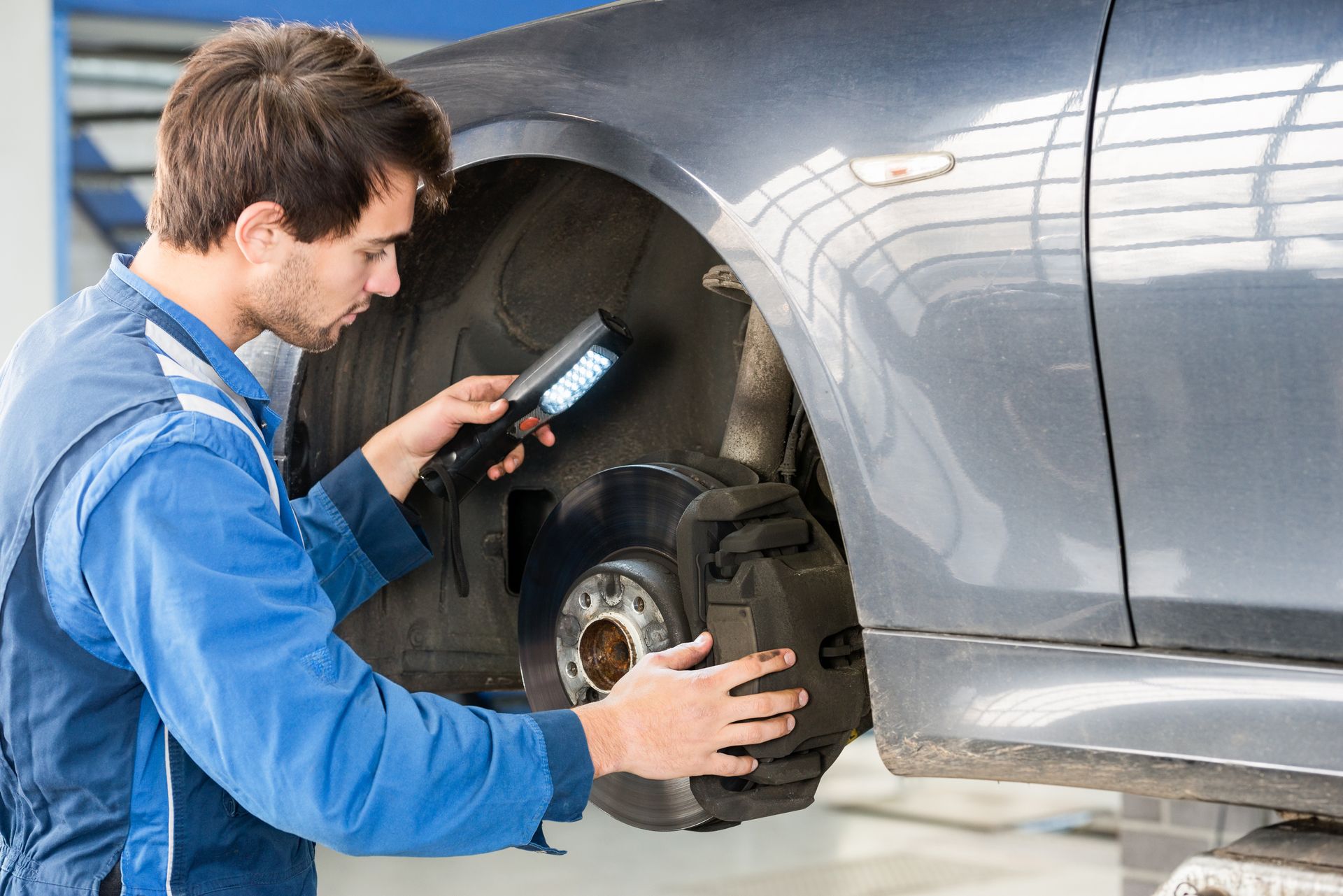
Brake Overheating: When you coast in gear, you get the natural benefit of engine braking. The engine’s internal resistance naturally helps hold the vehicle back from running away down a steep grade. In neutral, you lose that resistance completely. You are forced to ride your traditional brakes heavily to control your speed, which can cause your brake pads and rotors to overheat, warp, or suffer from dangerous brake fade.
Transmission Shock: When you reach the bottom of the hill and want to accelerate again, you have to move the shifter back into drive while the vehicle is traveling at highway speeds. This forces your transmission clutches to suddenly grab and match the speed of a spinning engine, creating a harsh mechanical shock that can accelerate wear on your transmission.
The Biggest Concern: Your Safety
From a mechanic’s perspective, the absolute biggest reason to avoid coasting in neutral has nothing to do with parts or pennies. It’s about control.
When your car is sitting in neutral, you have zero immediate throttle response. If a sudden emergency happens on the highway ahead of you, such as a mattress falling off a truck or a car swerving into your lane, your quickest and safest escape route might be to accelerate out of harm's way. If your transmission is sitting idle in neutral, you lose that vital option. You lose precious seconds trying to shift back into gear before your car can respond to your foot.
Let Us Help You Keep Your Ride Efficient
The absolute best way to maximize your miles per gallon is to focus on smooth driving, gentle throttle inputs, and keeping your vehicle properly maintained. Simple things like driving with the correct tire pressure, replacing a clogged engine air filter, and ensuring your brakes aren't dragging do far more for your fuel budget than any driving trick ever could.
Looking for real, proven ways to improve your fuel economy this season? Stop by
Forthright Auto Repair in Albuquerque, NM.