An overheating engine makes most drivers think of the radiator first. That makes sense. The radiator is one of the main components responsible for removing heat from the coolant before it cycles back through the engine.
But overheating does not always mean the radiator is the failed part.
Sometimes the radiator is clogged, leaking, or damaged. Other times, the problem is a weak fan, a bad thermostat, low coolant, a failing water pump, air trapped in the system, or a pressure cap that no longer holds correctly. The temperature gauge only tells you the engine is too hot. It does not yet tell you why.
What The Radiator Does
The radiator helps remove heat from the coolant. Hot coolant leaves the engine, passes through the radiator, and releases heat as air moves across the fins. Then the cooler fluid returns to the engine and keeps the cycle going.
That process depends on flow and airflow. Coolant has to move through the radiator, and air has to pass across it. If the radiator is blocked internally, clogged externally, leaking, or restricted by debris, it cannot shed heat well enough.
In Albuquerque's heat, a weak cooling system does not get much forgiveness.
Signs The Radiator Might Be The Problem
A radiator problem can show up in a few ways. You might see coolant leaking from the radiator seams or tanks. There may be crusty residue around the edges, a sweet smell after parking, or wet spots near the front of the vehicle.
Overheating at highway speed can sometimes point toward radiator flow or airflow trouble. If the radiator is partially clogged, coolant cannot flow through it properly. If the fins are packed with dirt, bugs, or road debris, outside air cannot pull heat away as well.
A radiator cap, or pressure cap, can cause similar symptoms. If the system cannot hold pressure, coolant can boil sooner, and the vehicle can run hot even when the radiator itself is not cracked.
When The Radiator Is Not The Cause
Low coolant is one of the first things to check. Coolant does not disappear for no reason. A small leak at a hose, water pump, heater hose, thermostat housing, reservoir, or gasket can lower the level enough to cause overheating.
A stuck thermostat can also make the engine run hot by blocking or delaying coolant flow. A weak water pump can fail to move coolant through the system. Cooling fans can cause overheating in traffic because the radiator needs fan airflow when the vehicle is not moving fast.
That is why guessing at a radiator repair can get expensive. A new radiator will not fix a fan that does not turn on or a thermostat that is stuck closed.
The Pattern Helps Find The Cause
How the car overheats tells part of the story. If it runs hot mostly in traffic, fan operation moves higher on the list. If it heats up on the highway, flow restriction, low coolant, or radiator condition deserves a closer look. If the temperature rises quickly after startup, the thermostat or coolant level may be the cause.
If the heater blows cold while the engine is hot, low coolant or trapped air might be affecting circulation. If the reservoir pushes coolant out after driving, pressure or combustion gas concerns need to be checked.
We ask about these details because the pattern saves time. The gauge climbing is only the headline.
What To Do When The Engine Runs Hot
If the temperature gauge climbs, turn off the A/C and get to a safe place. Do not remove the coolant cap while the engine is hot. Hot, pressurized coolant can spray out quickly and cause serious burns.
Let the engine cool before checking the coolant level. If the level is low and you need to add coolant to get to a nearby shop, use the correct type if possible. If the warning comes back quickly, stop driving. Repeated overheating can damage head gaskets, seals, and metal surfaces.
This is where a tow can be the cheaper decision.
How We Check The Cooling System
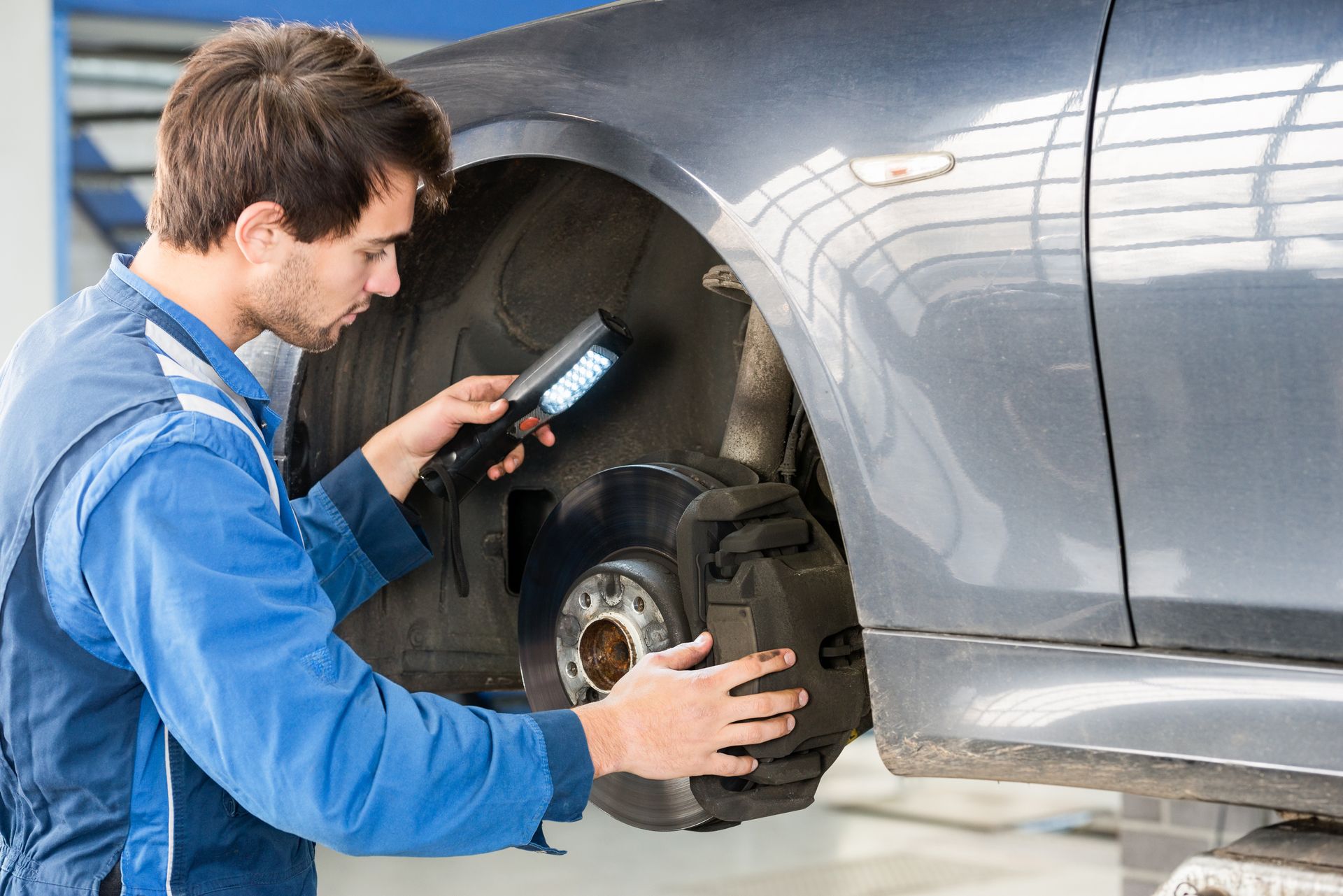
A proper inspection examines the entire cooling system, not just the radiator. We check coolant level, visible leaks, pressure behavior, thermostat operation, fan performance, hose condition, water pump signs, radiator flow, and cap condition.
If the vehicle has overheated more than once, we may also check for signs that combustion gases are entering the cooling system. That helps confirm whether the overheating is still a cooling system issue or has already affected the engine.
Regular maintenance helps catch small leaks, weak hoses, old coolant, and radiator debris before the car gets stuck running hot in traffic.
Get Radiator Repair In Albuquerque, NM, With Forthright Auto Repair
If your vehicle is overheating, losing coolant, or running hotter than normal, Forthright Auto Repair in Albuquerque, NM, can check the radiator and the rest of the cooling system to find the real cause.
Schedule a visit before another hot drive makes the repair harder and more expensive.