A check engine light comes on because the computer saw something outside its expected range and stored a code to explain why. Sometimes the car feels completely normal, which is exactly why the light is useful. It’s catching a problem early, before it becomes an obvious driveability issue.
The goal is figuring out whether it’s a quick DIY fix or a stop-and-check situation.
What The Check Engine Light Is Actually Tracking
Your car’s computer monitors sensors and system performance thousands of times per minute. When it encounters a value that doesn’t make sense or a test that fails, it stores a trouble code and turns on the light. That code is not a part name. It’s a direction, like misfire detected or evap leak detected.
The reason the light can come on while the car feels fine is that the computer can compensate within limits. Once it hits those limits, you notice rough running, poor fuel economy, or hard starts.
First Question: Is The Light Flashing Or Steady
A steady check engine light usually means the car is safe to drive for the short term, but it still needs attention soon. A flashing light is different. Flashing typically points to an active misfire, and raw fuel can overheat the catalytic converter quickly.
If the light is flashing, keep RPM low, avoid hard acceleration, and head straight to service. If the car is shaking hard, smelling like fuel, or losing power badly, stop driving and get help.
Simple Causes That Show Up All The Time
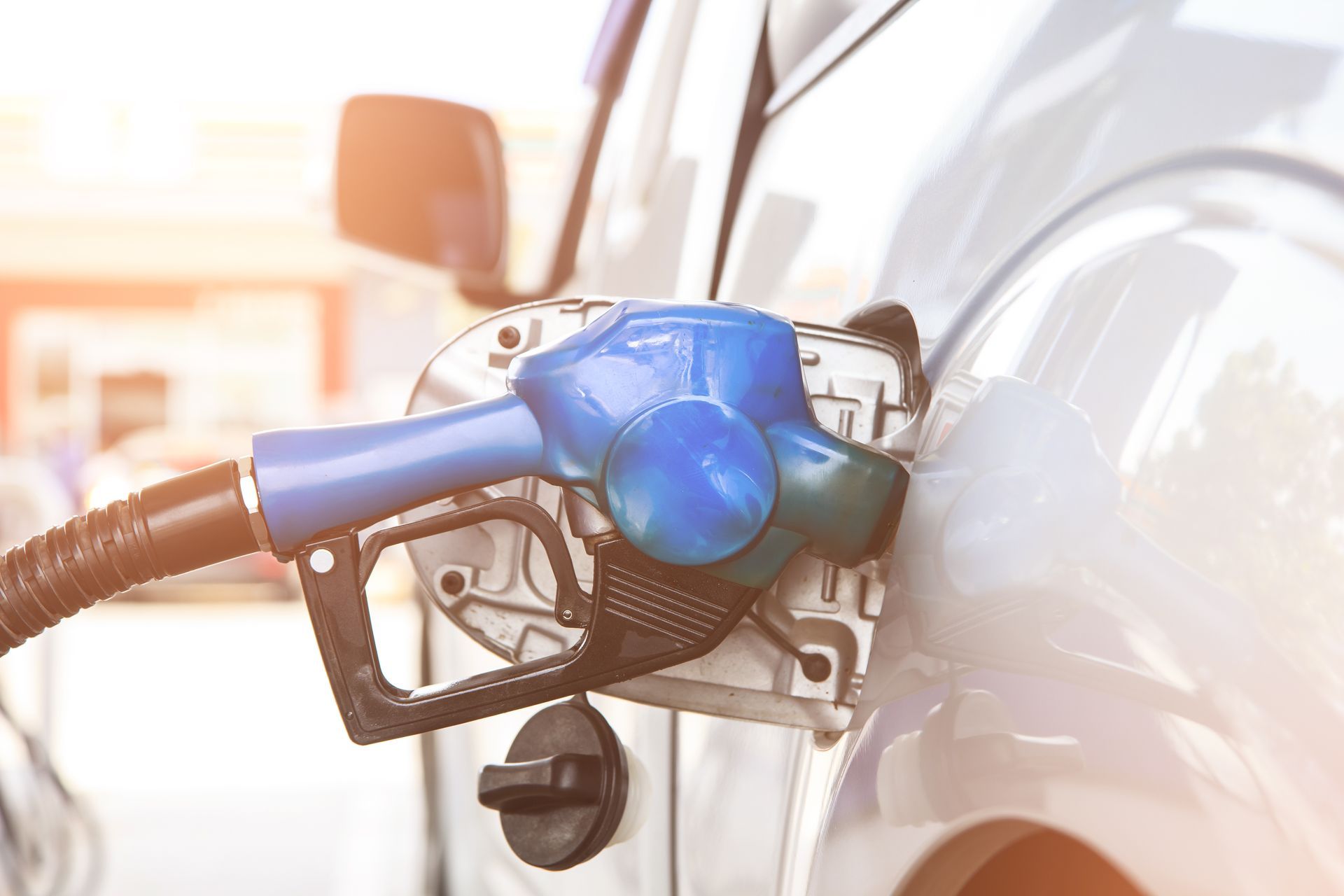
The most common easy cause is an evap leak, and the gas cap is part of that system. If the light appears right after fueling, tighten the cap until it clicks and drive normally. It may take a couple drive cycles for the system to rerun its test and turn the light back off.
Misfires are another common cause, and they’re often tied to spark plugs or ignition coils. Staying current on regular maintenance reduces how often these pop up, especially on higher-mileage vehicles where plug wear and coil heat stress add up over time.
DIY Checks That Are Worth Doing Before You Panic
You can do a few smart checks at home that help you decide what’s next, without guessing or throwing parts at it. If you have a basic code reader, use it and write down the codes and freeze-frame info. If you don’t have a reader, you can still gather useful clues by paying attention to timing and symptoms.
Here are safe DIY steps that actually help:
- Tighten the gas cap fully if the light came on after a fill-up
- Check oil level and coolant level, and look for obvious leaks under the vehicle
- Note if the engine is idling rough, stumbling on acceleration, or smelling like fuel
- If the light is steady, take a short drive and see if performance changes or stays normal
- Write down when it happens most, like cold start, highway cruising, or stop-and-go traffic
If the car drives normally and the light stays steady, these notes make the next step faster and cheaper.
What You Can Fix Yourself Versus What Should Wait
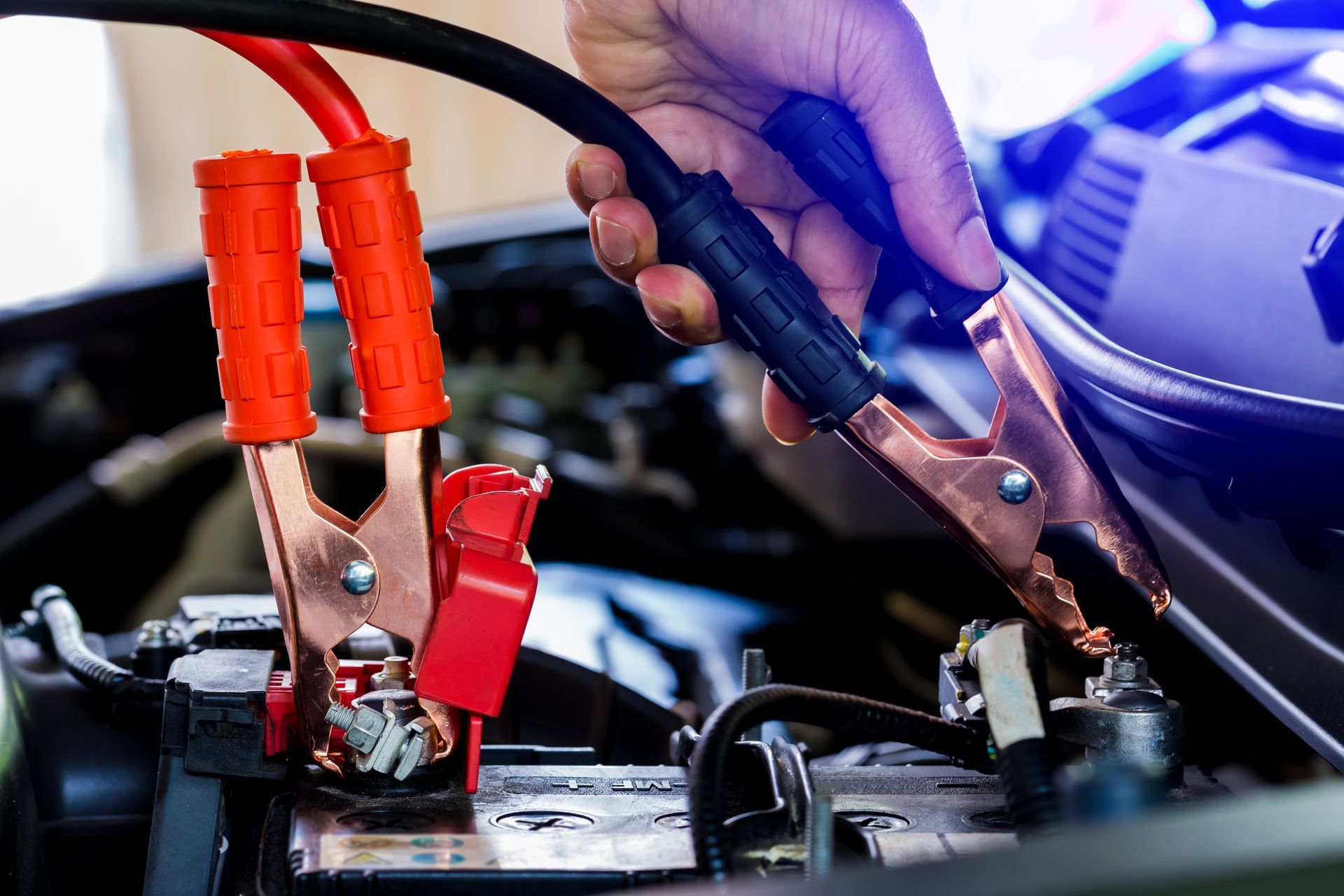
Some fixes really are DIY, like a loose gas cap, a cracked air intake hose you can clearly see, or a simple battery connection issue that is causing low voltage. Replacing a worn engine air filter or a torn vacuum line is also realistic if you’re comfortable and you can confirm the problem visually. The key is being sure the part you’re touching is actually related to the code, not just something that looks old.
Anything involving repeated misfires, fuel trim codes, catalytic converter efficiency codes, or overheating should not be treated like a weekend experiment. Those issues can damage expensive parts if you keep driving or restarting the car to test theories.
Why Clearing The Light Is Usually The Wrong Move
Clearing codes before you understand them wipes out the evidence that helps pinpoint the cause. It can also reset readiness monitors, which becomes a headache if you’re near an emissions test. Even worse, clearing the light can make a serious problem feel gone for a day or two, then come back at the worst time.
A better approach is simple: read the codes, capture the symptoms, and fix the actual trigger. That keeps you from buying the wrong sensor or masking a misfire that’s quietly stressing the exhaust system.
Get Check Engine Light Help In Albuquerque, NM With Forthright Auto Repair
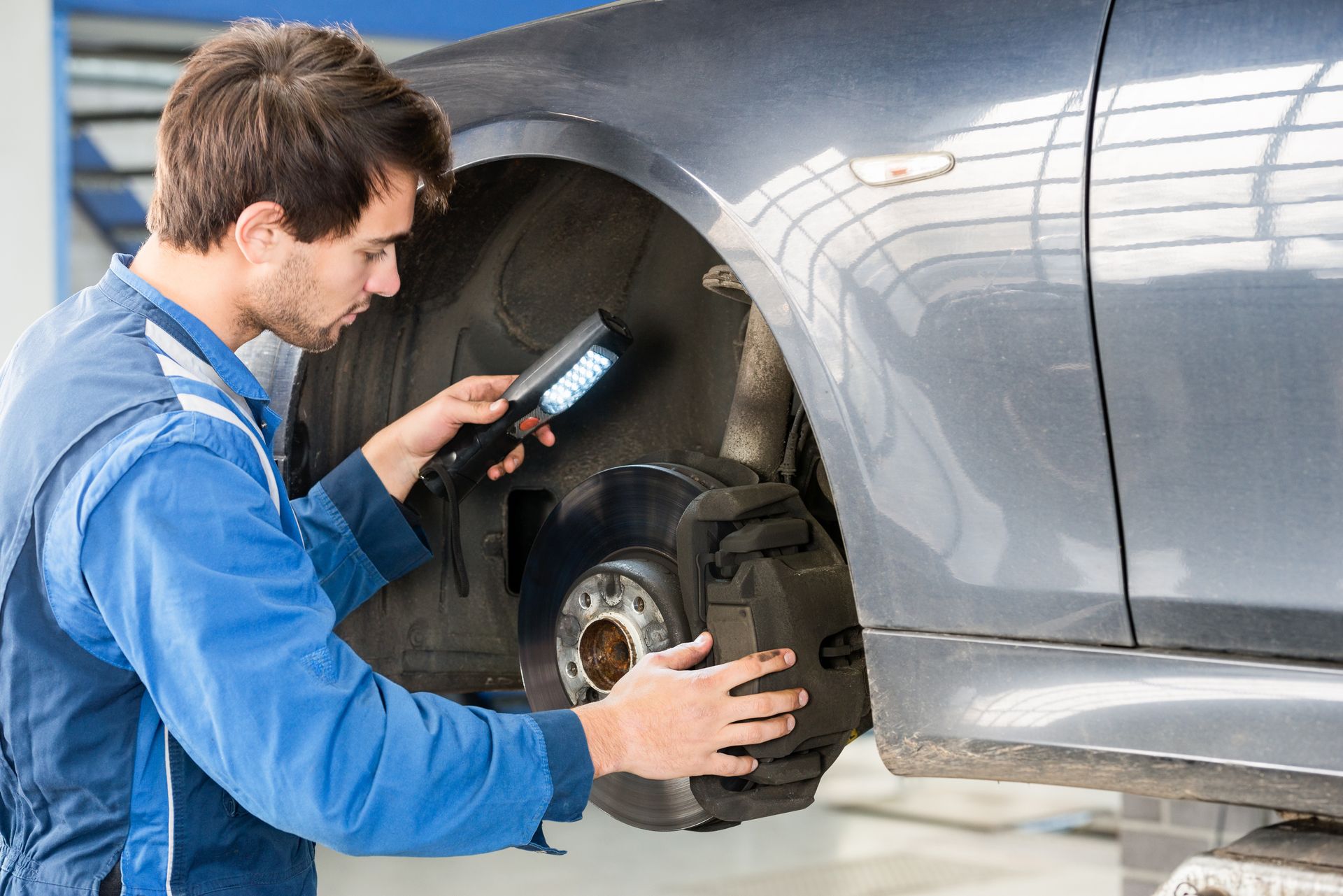
If your check engine light is on, a focused inspection that reads the codes and checks the related systems is the fastest way to get a real answer and avoid unnecessary parts.
Schedule your service or stop by Forthright Auto Repair in Albuquerque, NM, and we’ll confirm what set the light off and what it takes to keep it from returning.
You’ll leave with a clear plan, not a list of guesses.