When the car shakes during braking, most drivers notice it right away. The steering wheel may wobble, the brake pedal may pulse, or the front of the vehicle may feel unsettled as speed drops. Sometimes it starts lightly at highway speeds, then becomes more obvious over the next few weeks.
That kind of shake usually means something is no longer applying braking force evenly.
Where Brake Shake Usually Starts
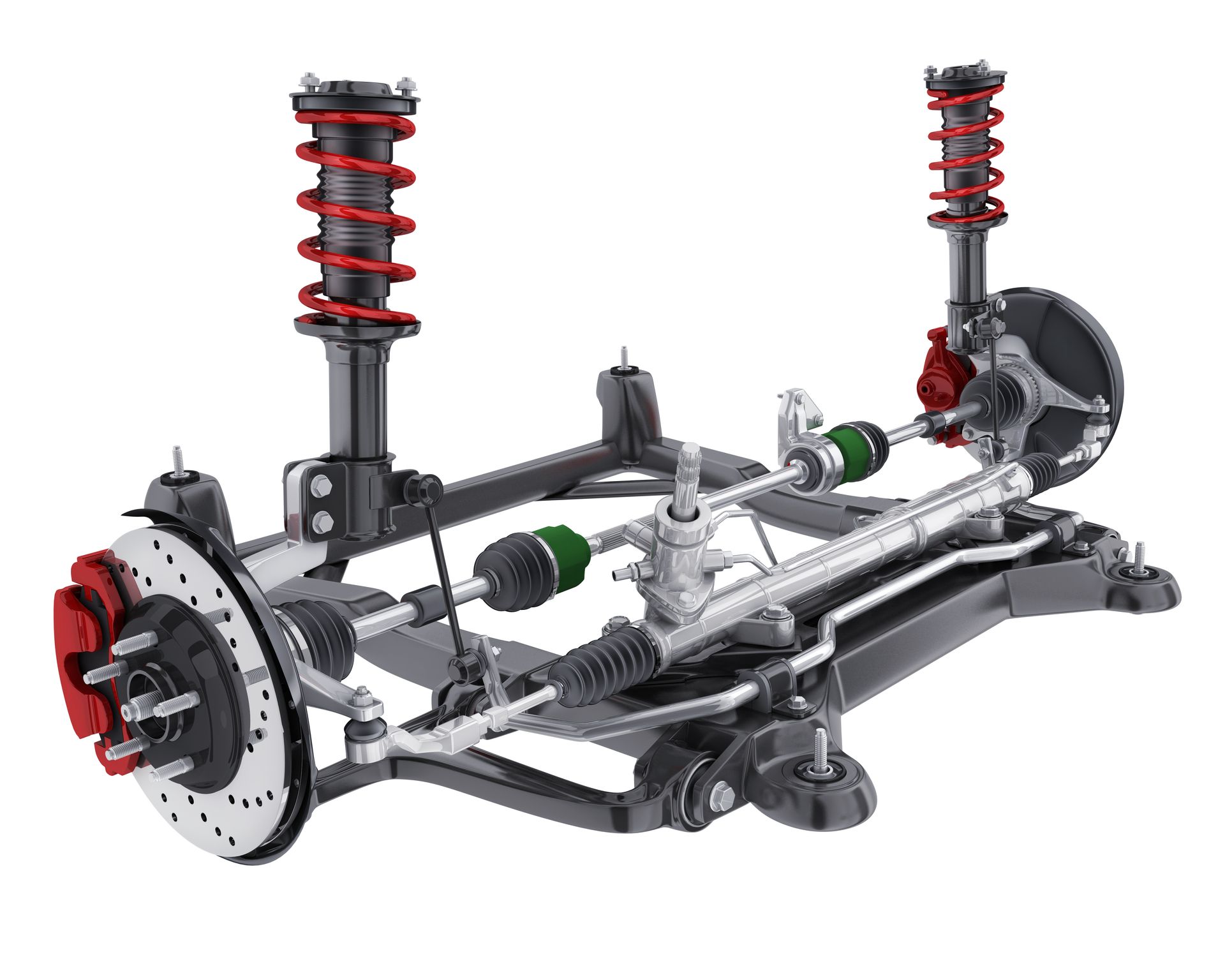
In many cases, brake vibration starts at the front wheels because that is where most of the stopping force is applied. The brake rotors and pads take on a lot of heat and friction, especially during repeated stops, downhill driving, or hard braking in traffic. If the rotor surface develops uneven wear or heat spots, the pad may grab harder in one area than another. That uneven contact can send a shake through the steering wheel.
Drivers often call this a warped rotor, and while that description is common, the real issue can be a little more specific. Rotor thickness variation, pad deposits, rust buildup, or overheating can all create a similar feel. We often find that the vibration is strongest when braking from 50 mph and up, then fades as the car slows. That pattern is a useful clue because it helps separate brake-related shake from other ride issues.
Brake Parts Can Apply Pressure Unevenly
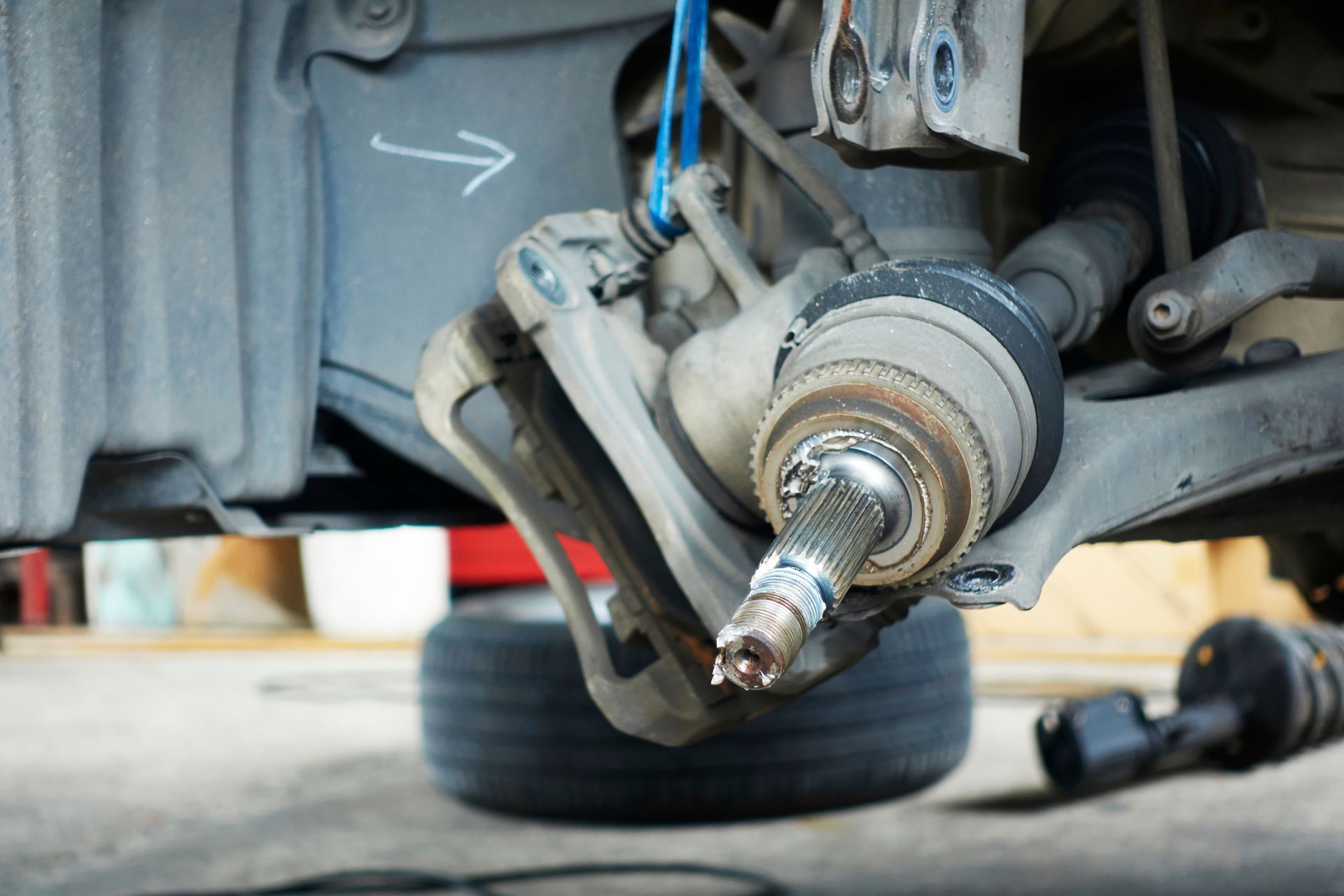
Rotors are not the only pieces that can cause trouble. Brake pads that are wearing unevenly, caliper slides that are sticking, or a caliper piston that is not moving freely can all change how pressure is applied. When one side grips harder or releases more slowly than it should, the car may shake, pull, or feel jumpy during a stop. Even a small difference side to side can become noticeable through the wheel or pedal.
This is one reason the problem should not be judged by sound alone. A car may shake under braking even when there is no grinding noise and plenty of pad material left. In some cases, the hardware around the brakes is corroded or binding, so the new pads never make clean, even contact. If that gets ignored, the extra heat can wear out parts faster and turn a smaller repair into a more expensive one.
Tires And Suspension Can Make It Worse
Brake shake does not always begin with the brake system itself. Worn suspension parts, such as control arm bushings, ball joints, tie rods, or wheel bearings, can allow extra movement when the vehicle’s weight shifts forward under braking. That movement may not be obvious while cruising, but it shows up when the front end loads up during a stop. Then the whole vehicle can feel less stable than it should.
Tire problems can add to the confusion. Uneven tread wear or an out-of-balance wheel may create a vibration that seems tied to braking simply because braking loads the tire differently. That is why a good technician looks at the full picture instead of changing pads and rotors first and hoping for the best. Our technicians have seen plenty of cases where the brakes were only part of the story.
The Pattern Of The Shake Tells A Story
The way the shake happens can point you in the right direction. If the steering wheel shakes more than the brake pedal, the issue may be stronger at the front wheels. If the pedal pulses but the steering wheel stays fairly calm, the problem may be more centered in the brake system itself. If the whole car shudders, especially from the rear, rear brake or tire issues may also be involved.
It also matters when the shake appears. A vibration during only high-speed braking often points to rotor or front-end load issues. A shake during light neighborhood stops can suggest a different wear pattern, sticky hardware, or suspension looseness that has gotten worse. If the car also pulls to one side, makes clunking noises, or feels unstable over bumps, those clues should be taken seriously because they usually mean more than one component needs attention.
Waiting Too Long Usually Raises The Cost
A mild vibration may seem easy to put off, but it tends to wear on nearby parts over time. Uneven braking can overheat pads, shorten rotor life, and put more strain on suspension components that are already worn. It can also make stopping feel less predictable, especially in the rain, on rough pavement, or during quick lane changes. That is when a manageable issue starts affecting confidence behind the wheel.
Catching it early usually gives you more repair options. A thorough inspection can show whether the fix involves resurfacing or replacing rotors, servicing brake hardware, correcting a tire issue, or tightening up worn front-end parts. During regular maintenance, small changes in pedal feel or rotor wear are often easier to spot before they turn into a steering wheel shake. That early check can save money and help the car brake the way it should.
Get Brake Repair In Albuquerque, NM With Forthright Auto Repair
If your car shakes when you brake, Forthright Auto Repair can help pinpoint the cause and recommend the repair that makes the most sense for your vehicle's wear. A brake vibration usually has a reason behind it, and catching it sooner often keeps the job simpler.
Bring it in before that shake turns into a bigger front-end or brake problem.